
The South Washington Watershed District (SWWD) Stewardship Grant offers financial assistance to encourage and enable community members, municipalities, and businesses to use innovative practices to protect and improve lakes and streams within the district. This program promotes water quality improvement by focusing on the reduction of phosphorus in stormwater runoff, reducing erosion and sedimentation, and preserving and restoring natural lands throughout the watershed.
Eligibility
The SWWD Stewardship Grant is a reimbursement program. Applicants must apply for funding, be approved, and have a signed contract prior to beginning the project.
Those eligible for stewardship funding include:
- Residents of the SWWD
- Not-for-profit or religious organizations within the SWWD
- Local government agencies serving the SWWD
- Public or private schools located within the SWWD
- Businesses or corporations located within the SWWD.
Not sure if you’re in the District? Search your address on the map!
Funding
Grant applications are accepted on a rolling basis throughout the calendar year. For applications under $5,000, the District Administrator has been delegated to provide a decision. Any applications exceeding $5,000 must first be approved by the SWWD Board of Managers at its regular monthly meetings. This incentive program utilizes ad valorem (District-wide) levy funding. The program budget is set annually by the Board of Managers.
Funding Tracks
There are four different funding tracks available depending on the scale and impact of your project.
$500 Mini-Grants for Small Projects
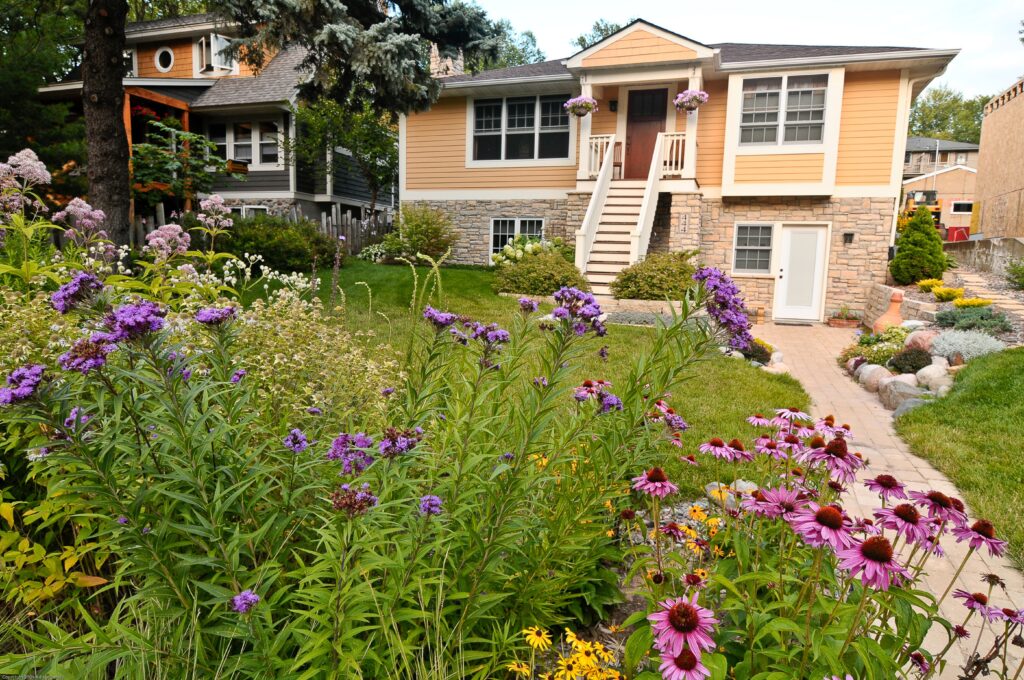
The SWWD provides funding through mini-grants of up to $500 for landowners interested in small projects, like:
- Pollinator plantings
- Backyard rain gardens
- Turf conversions or bee lawns
- Small-scale invasive species removal
- Rain barrels or cisterns
- Chloride management improvements
These projects provide a range of watershed benefits that include habitat improvements, increased soil health to support infiltration and water holding capacity, and invasive species removal in support of native landscape restoration, among others.
It is highly recommended that applicants in this category attend one of the SWWD Native Planting Stewardship Workshops for project design assistance. Eligible applicants who attend the workshop will also receive instant approval for their project!
Larger Project Concepts
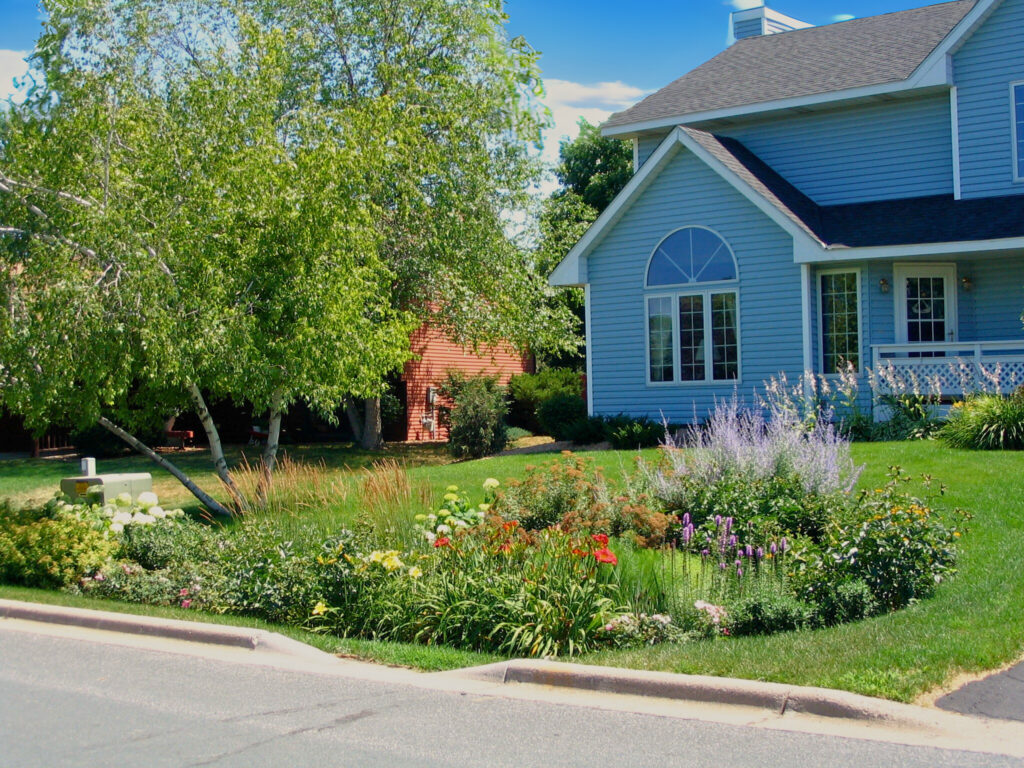
When proposed projects can provide more significant water quality benefits, runoff volume control, or larger-scale ecosystem resiliency outcomes, SWWD will support applicants by funding additional technical assistance for project development and design, as well as by cost-sharing up to 75% of the project’s cost.
SWWD staff will determine if a project is eligible for this advanced level of support. Typical project examples include:
- Curb-cut rain gardens
- Impervious to pervious hard surface conversion
- Large-scale native plantings over 0.5 acres
- Critical area erosion control for gullies, ravines, and steep slopes
- Streambank or shoreline stabilization
- Structural agricultural projects
- This may include landscape restoration projects that involve the removal of invasive species where soil integrity is compromised, or conversion from agricultural lands or turf to permanent native perennial vegetation.
SWWD funding can only be used to pay for plant material native to our region. In either case, applicants can expect SWWD or WCD staff to work with them to develop a concept plan and complete necessary documentation for funding.
Request a site visit to get started
Non-Structural Agricultural Projects
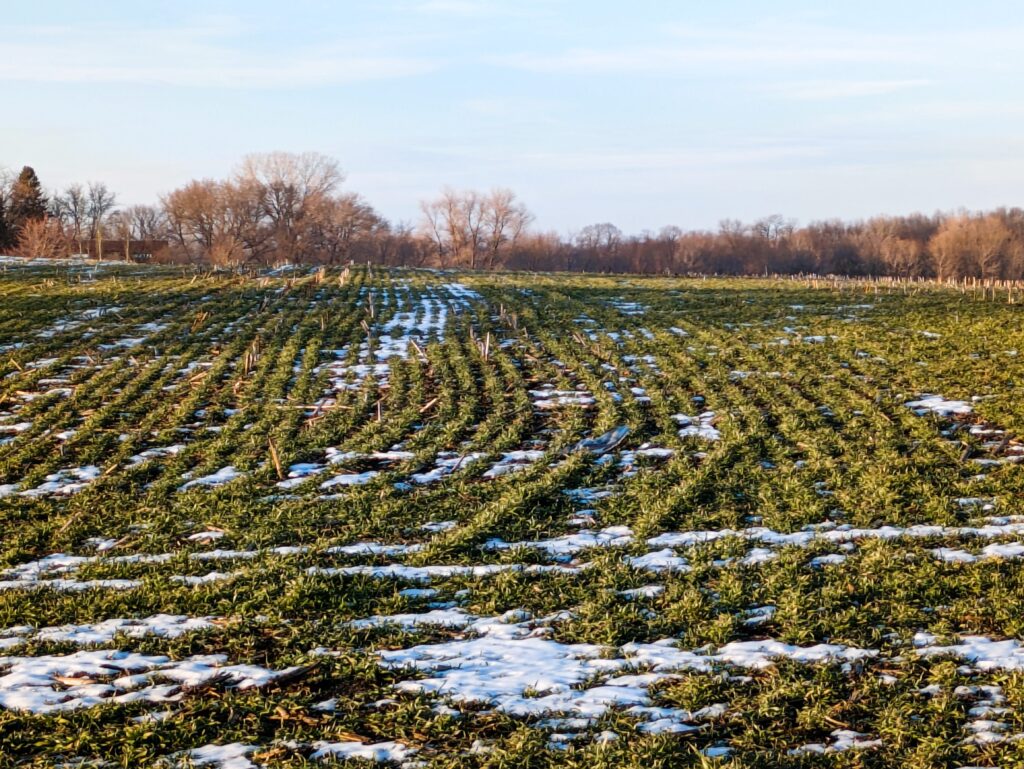
For non-structural agricultural projects, SWWD works closely with our partners at the Washington Conservation District (WCD) and the Lower St. Croix Watershed Partnership (LSCWP) to provide financial assistance to agricultural landowners in the watershed, implementing conservation practices within the watershed.
Landowners are encouraged to work through existing grant opportunities available through WCD and LSCWP. Applicants who require additional assistance or have a unique or creative proposal are welcome to approach SWWD for funding assistance. Currently, SWWD recognizes the LSCWP Non-Structural Ag BMP Rates and General Requirements as shown in Exhibit B, linked below.
Exhibit B: Non-Structural Ag BMP Rates & General Requirements (from LSCWP)
Woodland Stewardship Plans
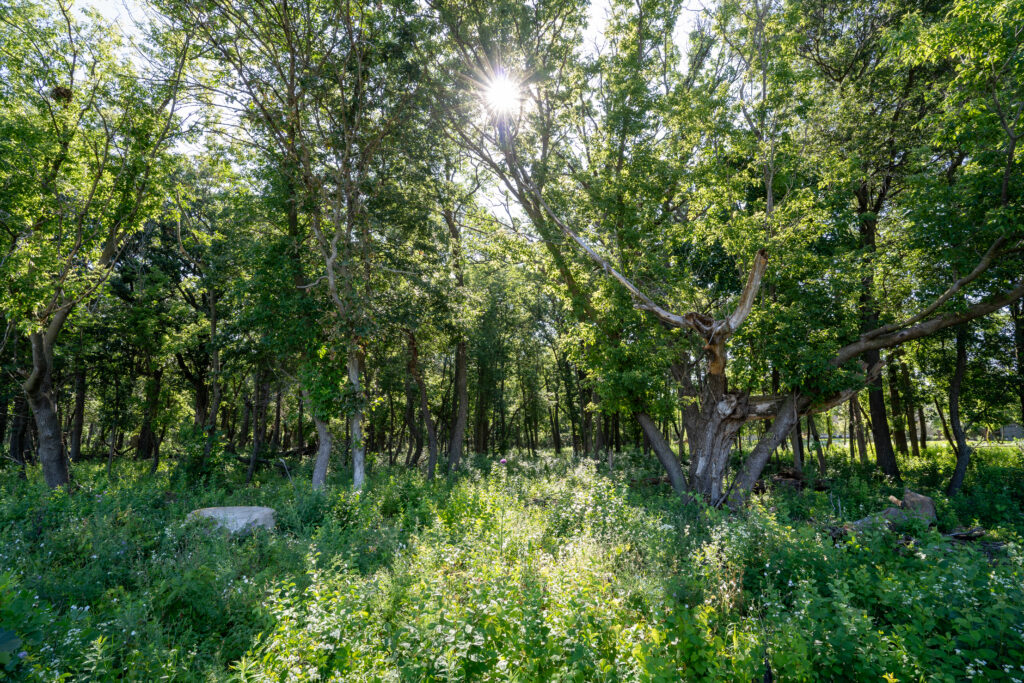
The Woodland Stewardship Plan provides support to landowners of priority forested lands who implement conservation stewardship planning and practices within the watershed. To accomplish this, SWWD works closely with our partners at the Washington Conservation District (WCD) and Lower St. Croix Watershed Partnership (LSCWP).
Landowners are encouraged to work through existing cost-share opportunities available through WCD and LSCWP. Applicants who are in areas not recognized as a LSCWP priority are welcome to approach SWWD for funding assistance. Currently, SWWD recognizes the Woodland Stewardship Plan Policies as amended from the LSCWP and shown in Exhibit C, linked below.
Exhibit C: Woodland Stewardship Plan Policies (amended from LSCWP)
How to Apply
1. Submit an Application
To get started, submit an application. We want to know more and see your specific project site, which helps determine eligibility. Before you submit, please review the list of eligible materials for reimbursement. Please include photos of your intended site, and a PDF of your cost estimate. Once you have submitted, a staff member will be notified, and your application will be reviewed. If staff members have follow-up questions, they may contact you by email.
Cost Estimators
The Project Budget Cost Estimator tool will help you create a rough budget for your project. When you have completed your estimate, submit a PDF copy of the FINAL Project Overview Tab with your application.
Application
Fill out the SWWD Cost Share Application Form
2. Attend a Workshop & Start Designing
Ready to start your project, but not sure where to start? Consider attending a SWWD Workshop! At the workshop, you will learn the basics of native planting, from lighting and soils to site prep and plant types. You will walk away feeling confident and ready to tackle your stewardship project.
Workshops also include design support. Staff members will work with you to select the right design template for your site’s specific needs or help you design something entirely unique. You will also receive a cost estimator tool, customizable to your project goals. Workshops are hosted and staffed by the South Washington Watershed District, with staff support from the Washington Conservation District (WCD) technical experts.
Design Templates, Plant Kits, and Seed Mixes
Designs templates are a great way to get started with your project. Templated designs provide a list of suitable plants, a outline that considers height variation and sizing, and provide alternatives to each species. Plant Kits are a great way to streamline your plant buying process. Many companies provide a prepackaged plug options. Seed mixes are a cost effective way to address large areas, or to create a nature looking landscape.
Links to plant kits and seed mixes provides are not an endorsement or promotion of the company providing the product and serve only as an example. This is a non-exhaustive list.
Shade Gardens are often characterized by low light, and moist to moderately moist soil conditions.
| Design Template | Plant Kits | Seed Mixes |
|---|---|---|
| Shade Garden for Pollinators (Designed by BWSR) | Part Shade Garden Kit (MNL) | Woodland Mix (MNL) |
| Woodland Edge Kit (MNL) | Shady Woodland Seed Mix (Prairie Moon) | |
| Woodland Garden (Prairie Moon) | Shortgrass Woods Edge or Savanna Seed Mix (Prairie Moon) | |
| Understory Patch Kit (Prairie Moon) |
Sunny and Low Gardens can be characterized by full to partial sun exposure, and moderate to dry soils.
| Design Template | Plant Kits | Seed Mixes |
|---|---|---|
| Sunny and Low Garden for Pollinators (Designed by BWSR) | Backyard Prairie Kit (MNL) | Woodland Mix (MNL) |
| Short & Tidy Kit (MNL) | Mesic Prairie Mix (MNL) | |
| Short Prairie Grass Kit (MNL) | Short & Showy Seed Mix (Prairie Moon) | |
| Easy Street Patch Garden Kit (Prairie Moon) | Shortgrass Inexpensive Prairie Seed Mix (Prairie Moon) |
The Modern Grid design is characterized by a plants laid out in a organized grid, in full to partial sun, and medium to dry soil conditions.
| Design Template | Plant Kits | Seed Mixes |
|---|---|---|
| Modern Grid Planting for Pollinators (Designed by BWSR) | Backyard Prairie Kit (MNL) | Seed mixes are not recommended for the Modern Grid design |
| Short & Tidy Kit (MNL) | ||
| Prairie Patch for Dry Soils (Prairie Moon) | ||
| Easy Street Patch Garden Kit (Prairie Moon) |
Dry Understory is characterized by its partial shade, likely due to the proximity to trees, and dry soils.
| Design Template | Plant Kits | Seed Mixes |
|---|---|---|
| Dry Understory for Pollinators (Designed by BWSR) | Buckthorn Replacement Kit (MNL) | Savanna Mix (MNL) |
| Easy Street Patch Garden Kit (Prairie Moon) |
The Bird Paradise design can be adapted to several environment types. Plant types in this design are characterized by their seed and nectar production as bird food sources.
| Design Template | Plant Kits | Seed Mixes |
|---|---|---|
| Plants for Birds (Designed by Audubon) | Songbird Special Kit (MNL) | Songbird Mix (MNL) |
| Hummingbird Kit (MNL) | Bird Bonanza Seed Mix (Prairie Moon) | |
| The Colossal Pollinator Garden Kit (Prairie Moon) | Jungle Prairie Seed Mix (Prairie Moon) | |
| Woodland Garden Kit (Prairie Moon) | Pollinator Palooza Seed Mix (Prairie Moon) | |
| Prairie Patch for Dry Soils (Prairie Moon) | ||
| Prairie Patch for Moist Soils (Prairie Moon) |
Rain Gardens are unlike other gardens, and can require professional engineering to build correctly and effectively infiltrate water. The Rain Garden Selection will provide a guide to plant types that are tolerant of wet feet and may be well suited for low spots that frequently hold water.
| Design Template | Plant Kits | Seed Mixes |
|---|---|---|
| Rain Garden for Pollinators (Designed by BWSR) | Rain Garden Kit (MNL) | Stormwater Basin Mix (MNL) |
| Rain Garden Patch Kit (MNL) | Detention Basin Seed Mix (Prairie Moon) |
Not sure where to start? Take the quiz and find out out which design option might be right for you!
Attend a Workshop
All eligible applicants will receive automatic approval when they attend a workshop. So you can get started on your project as soon as you receive your signed contract!
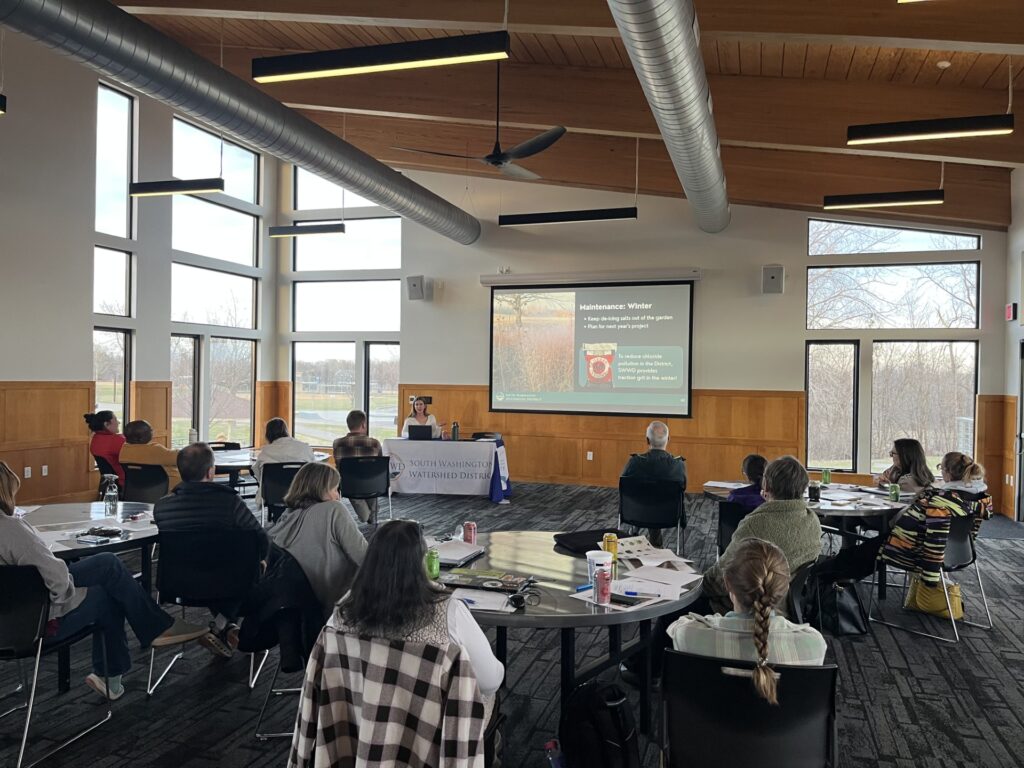
Upcoming Workshops
Registration is required, and space is limited. Click the link to register.
1. Tuesday, April 7th, 2026, at Ojibway Park in Woodbury from 6 to 8 PM
2. Thursday, April 28th, 2026, at Glacial Valley Park in Cottage Grove from 6 to 8 PM
3. Tuesday, May 12th, 2026, at Ojibway Park in Woodbury from 6 to 8 PM
Additional On-site Support
We encourage applicants to attend a workshop and reach out to staff when they need support. In the case that you need more on-site technical support, applicants can request a site visit with the WCD. All Washington County residents are entitled to 1 hour of technical support through the WCD.
To get the most out of this program, we suggest first attending a workshop before requesting a site visit.
Project Construction
All projects must be fully approved before work can begin. Make sure you have received a signed contract before you break ground. Projects that begin before final approval and without a signed contract are not eligible for reimbursement.
3. Reimbursement and Eligible Expenses
To receive reimbursement, your must have received signed approval before work began. If you began project construction prior to receiving your signed contract, you will not receive reimbursement.
This is a reimbursement program. Funds will be distributed after completion of the project, verification by SWWD staff that the project is implemented, and processing of receipts. In no case will the reimbursement exceed the total project cost. The total project cost will be calculated by SWWD. Receipts dated before the grant award is made will not be accepted or reimbursed. In the calculation of the total project cost:
- Only those expenses with itemized receipts or invoices will be included
- SWWD does not reimburse applicants for their own labor costs
SWWD Stewardship Grant Eligible Expenses Guide
Eligible Expenses:
| Eligible Expenses |
|---|
| Plants To make the biggest difference for pollinators, Minnesota native plants and seeds should make up the largest portion of your project. Only Minnesota native plants are eligible for reimbursement. |
| Flowers/forbs |
| Bare root plants |
| Grasses, sedges, and ferns |
| Trees and shrubs |
| Seeds |
| Project Materials Depending on your projects specific needs, the following list of eligible materials can help make your project more successful. |
| Weed suppression materials: Wood Mulch; non-dyed and locally sourced preferred. Biodegradable weed suppression materials including cardboard, paper based landscaping fabric, erosion control blankets, germination blankets, straw, and stakes for blankets. Plastic sheeting/tarps for solarization and occultation. |
| Herbivore barriers: Herbivore barrier materials can include chicken wire and stakes, mesh baskets, tree guards, etc. |
| Equipment rental fees, such as renting a sod kicker to remove turf |
| Delivery fees for eligible expresses |
| Ineligible Expenses |
|---|
| Plants Non-native, cultivars, and hybrids should be avoided. These varieties are not native plants and are not eligible for reimbursement. |
| Project Materials Not all materials are eligible for reimbursement. |
| Weed suppression materials. Plastic or synthetic materials commonly sold as: Fabric weed barrier, plastic sheet weed barrier, and landscape fabric. |
| Equipment purchase, such as lawn mowers, shovels, or gloves |
| Edging materials |
There are some exceptions to non-native cultivar plants due to their functionality in pollinator lawns, adaptability Minnesota’s climate, or benefit to pollinators.
| Common Name | Scientific Name | Reason for Exception |
|---|---|---|
| Fescue grasses | All Festuca species | Pollinator lawn species |
| Self-heal | Prunella vulgaris | Pollinator lawn species |
| Yaak yarrow | Achillea millefolium var. ‘yaak’ | Pollinator lawn species |
| White clover (Dutch White Clover, micro-clover) | Trifolium repens | Pollinator lawn species |
| Serviceberry tree | All Amelanchier species | Beneficial for pollinators |
| Hawthorn tree | All Crataegus species | Beneficial for pollinators |
| Black chokeberry | Aronia melanocarpa | Beneficial for pollinators |
| Prairie Crabapple | Malus ioensis | Beneficial for pollinators |
When possible, plants and seeds should be purchased from local vendors within roughly 200 miles of the project location. We strongly recommend purchasing native plants from retailers who source plants and seeds locally, and grow within the Minnesota/Wisconsin region.
4. Submit a Reimbursement
The SWWD Reimbursement Form can be used to track expenses and prepare your reimbursement request. It is recommended to access this form early and add your expenses as you incur them. Remember to save all receipts, either by scanning, taking a picture, or forwarding via email to [email protected]. If you make a purchase in cash, please fill out the Cash Receipt Form on tab 3 of the sheet.
To process a reimbursement, all invoices or receipts must include the following information:
- The name of the vendor
- The materials, labor, or equipment used to establish the practice
- The date the item or work was purchased
Reimbursement Form
All reimbursement information should be submitted via email to [email protected]
Resources & Information
Native Plants Resources
- Blue Thumb Plant Finder – Quickly search for plants by type, color, height, resilience, light and soil moisture needs, ecoregion and more. You can even search by salt tolerance for sites located near roadways.
- Twin Cities Metro Nurseries and Retailers – There are many nurseries in the metro area with a large selection of locally grown, Minnesota native plants. Check out this list compiled by Blue Thumb.
- Native Plant Suppliers, Landscapers, and Restoration Consultants (MNDNR) – The DNR maintains a list of native plant suppliers in Minnesota. Only companies that have been certified sellers of native plants sourced from the state, do not sell invasive or noxious plants, and/or have experience as a native plant consultant or habitat restoration specialist.
- Minnesota Wildflowers – Minnesota Wildflowers is a searchable encyclopedia of all things plants in Minnesota. Search for wildflowers, trees, shrubs, vines, ferns and fern allies, grasses, sedges and rushes, and aquatics.
Learn more about native plants
- Native Plants vs. Cultivars vs. Non-Natives – There are more plant types than just native or invasive. This resource from the Lawns to Legumes program provides more information about the differences between native plants, cultivars, and non-natives. Remember, SWWD only reimburses for native plants!
- Invasive Non-native Plants – Just because a plant is commonly seen, does not mean it is native or beneficial. Check out this list of invasive trees, shrubs, grasses, and wildflowers from the Minnesota DNR.
Soil Resources & Information
- Invasive Jumping Worms in Minnesota – Jumping worms (Amynthas spp.) are an invasive species native ot eastern Asia. In fact, no earthworms are native to Minnesota. Jumping worms cause major ecosystem disturbances and are a problem for homeowners and gardeners. It is important to know how Jumping Worms spread before you begin work.
- University of Minnesota Soil Testing Laboratory – The University of Minnesota will test your soil. This is a good option if you have concerns about high nutrient levels or want to learn about the overall chemical makeup of your site.
- DIY Soil Jar Test – A DIY soil test can help you understand the physical characteristics of your soil. There are four primary soil textures: sandy, clay, silty, and loam.
- Hand Soil Texture Test – Hand texturing is another way to get your hands dirty and learn about the physical characteristics of your soil.
Pollinators
- What is a bee lawn? – Love pollinators? Hate mowing? Want to conserve water? A bee lawn may bee the answer! Learn about what makes a lawn a bee lawn and how to start planting yours.
- Leave the Leaves! – Leaves and other brush- like logs, plant stems, and flower heads are an essential winter habitat for pollinators and other invertebrates. Leaves are also a free and readily available source of nutrients that support plant growth.
FAQ
Yes! However, the landowner will be required to execute all contracts and/or maintenance agreements. If you are applying on behalf of an organization, please secure permission in advance and be prepared to gather signatures of the landowners.
To ensure funding is available to folks across the district, we ask that applicants who have received funding wait one year after the completion and reimbursement of their previous project before applying for additional funding.
Yes. Applicants may create their own landscape design or use a project designer other than SWWD or WCD staff if they choose; however, those designs are subject to modification and approval by SWWD before deemed eligible for cost-share assistance.
There is no restriction on where you source your plants from; however, SWWD funding may only be used to pay for plant material native to our region. In either case, SWWD or WCD staff will work with applicants to develop a concept plan that maximizes benefit to our natural resources and help complete all documentation necessary to apply for cost-share funding.
The University of Minnesota Extension provides a list of resources about Minnesota native plants.
Have questions about the program before you apply? Contact Abby Tekiela, Water Resources Program Coordinator at [email protected]
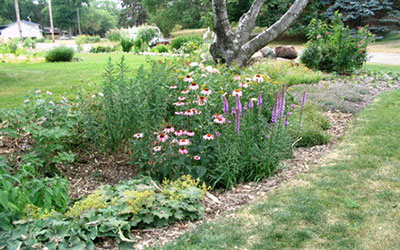
Rain Gardens
Rain water is captured and held for 48 hours enhancing soil infiltration by these shallow planted depressions. Location: Depressional areas “Soggy” spots in yards and parking lots. Water Quality Impact: Decrease overall water and sediment volumes.
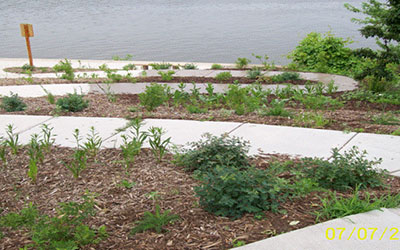
Shoreline Buffer
Deeply rooted native plants and erosion- control measures stabilizes erosive shorelines and intercept polluted run-off. Location: Lakeshore, stream banks, and wetland frontages. Water Quality Impact: Increase water and habitat of adjacent lakes and streams.
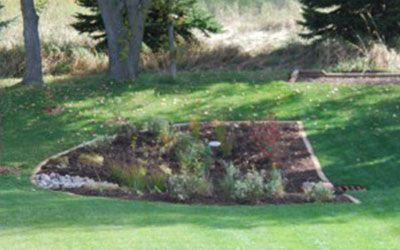
Native Plantings
Native plants are adapted to the local climate and soil conditions. Native plants work well for many landscaping and wildlife habitat plantings, because once established, they seldom need watering, mulching, protection from frost or continuous mowing. Native plants provide nectar, pollen, and seeds that serve as food for native butterflies, birds and other animals.