
Experiencing Education
The South Washington Watershed District is in its fifth year of collaboration with Carpenter Nature Center and South Washington Public Schools to bring experiential learning programs into the classroom.
|
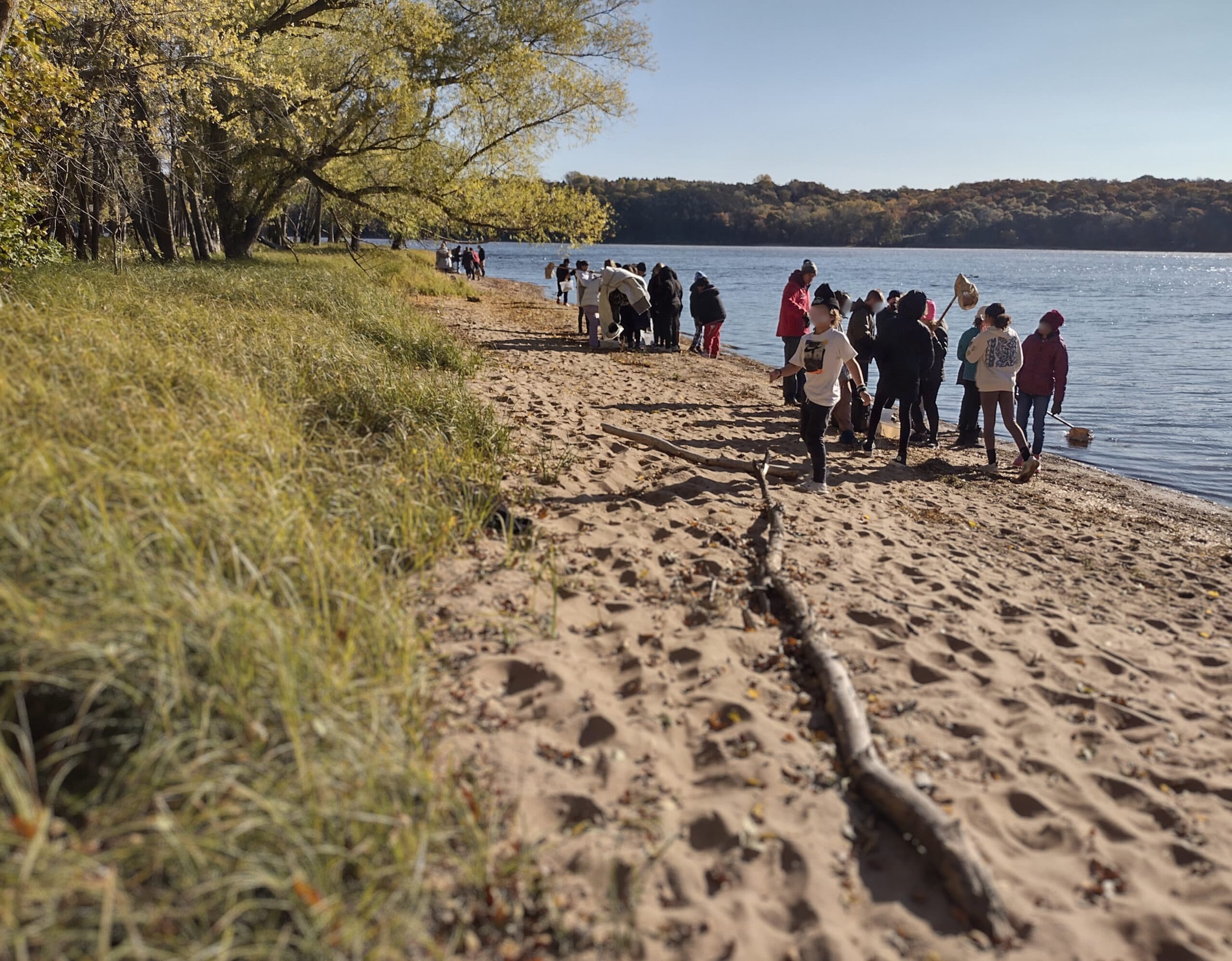
The South Washington Watershed District is in its fifth year of collaboration with Carpenter Nature Center and South Washington Public Schools to bring experiential learning programs into the classroom. Initially, the program was targeted at schools where the Campus Greening Program was restoring native plant community cover to schools throughout the District. The program is now made available to all of the Middle Schools within the Watershed District, reaching all students in the 6th Grade science classes.
This six week program brings Carpenter Nature Center staff into the classroom once a week for an hour-long water quality program and culminates in a trip to the St. Croix River to apply the lessons learned in the field. Now in its fifth year, middle school teachers are incorporating the program, built around state standards, into their own science yearly curriculum. Each week, the widely ranging program introduces students to a new topic the builds on the previous lesson. Lessons progress through watershed definitions, pollution and water quality, storm sewer networks and ways to clean stormwater, impacts of water quality on plant and animal life and hands-on biotic and abiotic measurements of water quality. The visit to Carpenter Nature Center applies all of the lessons learned on the shores of Lake St. Croix.
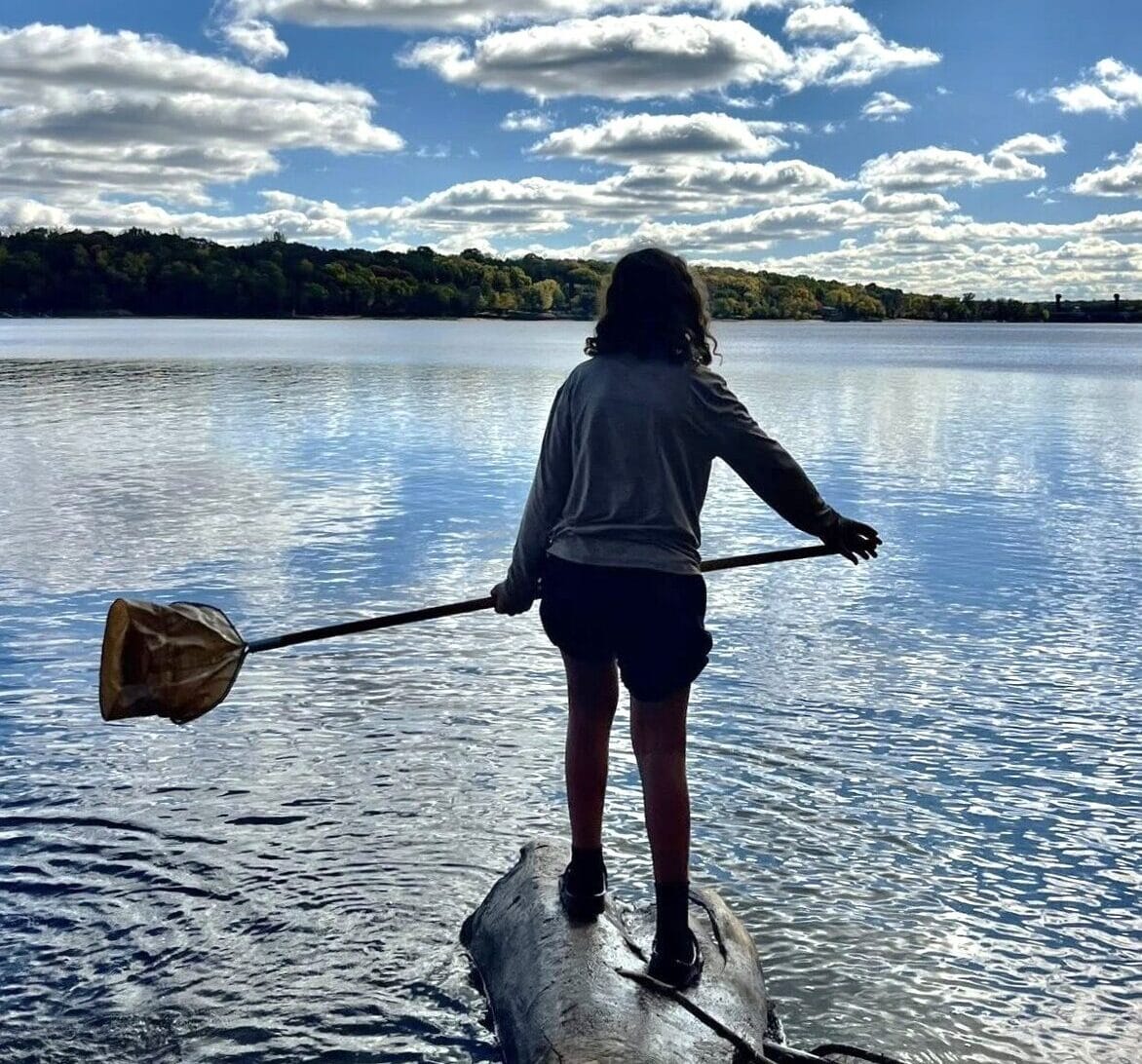
This fall, over 600 6th grade students gathered on the shores of the St. Croix over the course of a few days to test water quality samples, gather and count macroinvertebrates, and build a water quality hypothesis to be proved or disproved by their field work.
In addition to the Carpenter Nature Center programming, SWWD staff received a Board of Water and Soil Resources HELP Grant to enhance restored prairie landscapes at Lake Middle School. The program supported teachers and SWWD staff to develop classroom greenhouses, where students have been growing seeds for the last two years. Plants will later be planted throughout the school prairies to increase flower diversity in support of pollinating insects. In 2025, the program is being fully taken over by partner teachers at Lake Middle School and lessons learned at Lake will, hopefully, provide the foundation to expand the program District wide as other natural areas come into maturity.