
East Mississippi Underground BMPs
Project Overview
Underground systems to support water quality
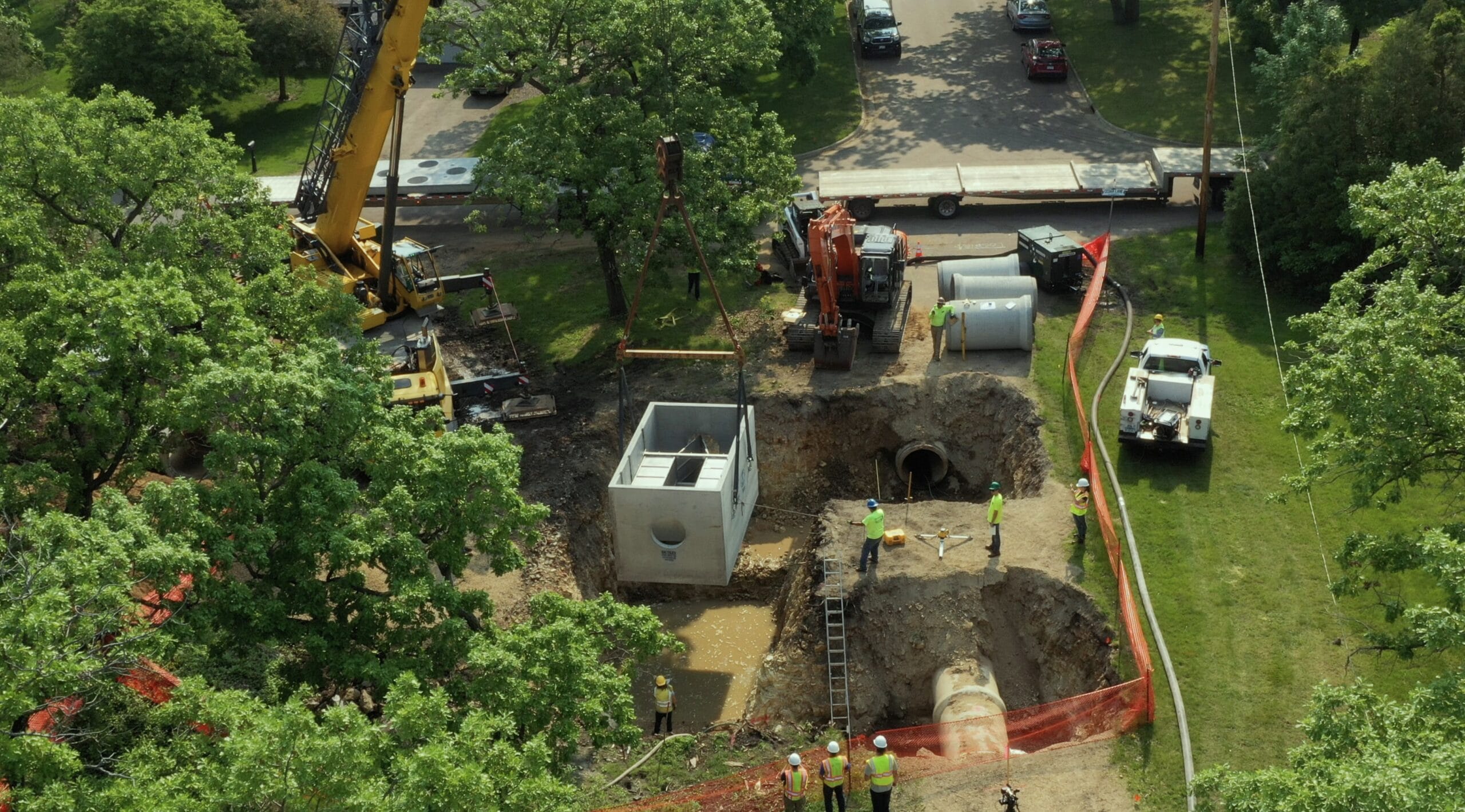
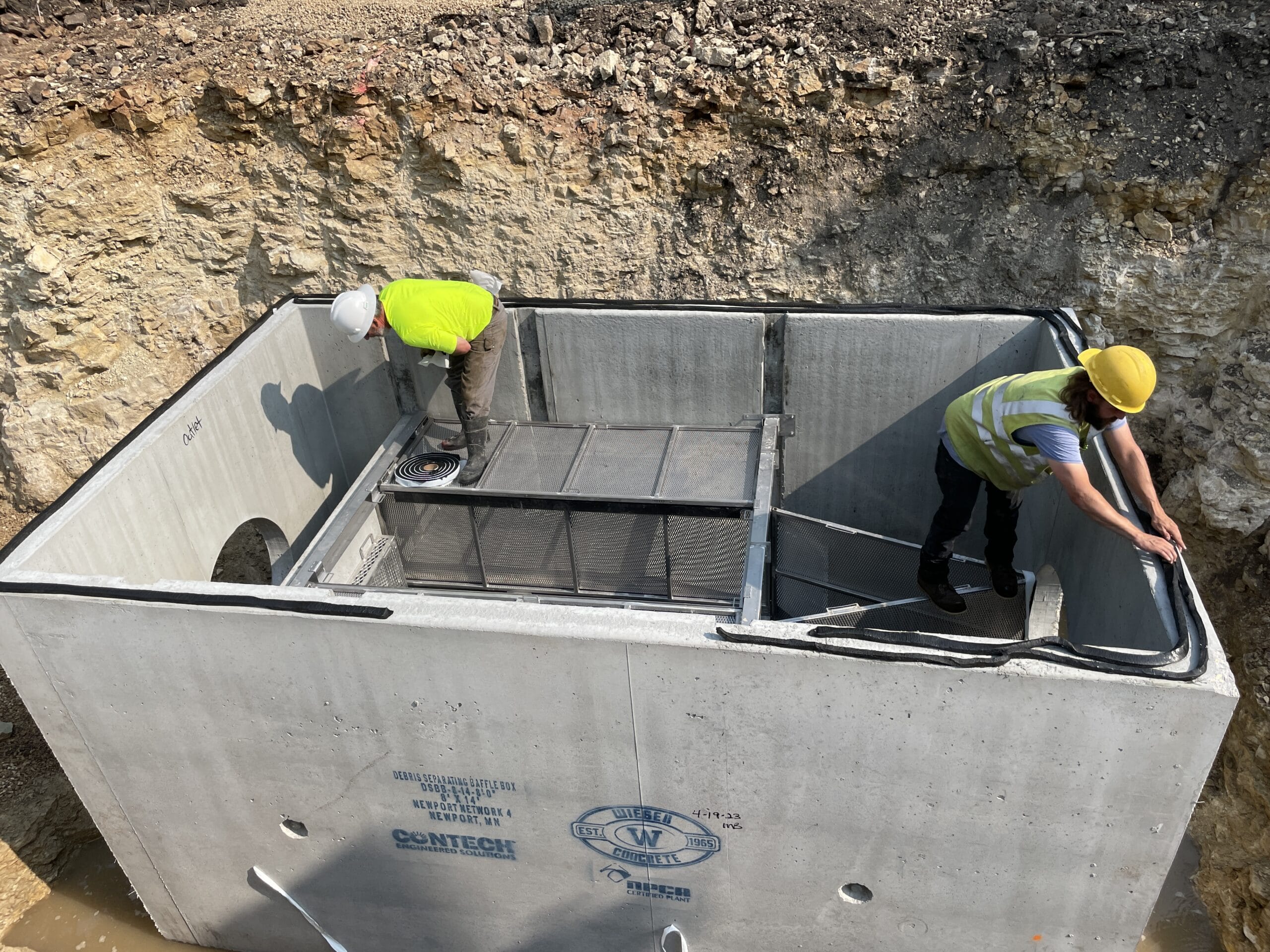
Throughout Newport and parts of St. Paul Park, there is an underground system to prevent sediment, leaf litter, trash, and other debris from entering the Mississippi River. The system is made up of a series of boxes called Contech Debris Separating Baffle Boxes (DSBB). This project works to reduce harmful stormwater runoff into the Mississippi River through Best Management Practices (BMPs).
Each year, stormwater runoff from over 500 acres of mostly residential land in Newport enters the Mississippi River. This runoff contains sediment, leaf litter, trash, road salts, vehicle waste, pet waste, and other debris that contribute to the pollution of the Mississippi River and degrade water quality. These DSBB underground BMP systems, helps to remove that pollution before it can enter the river.
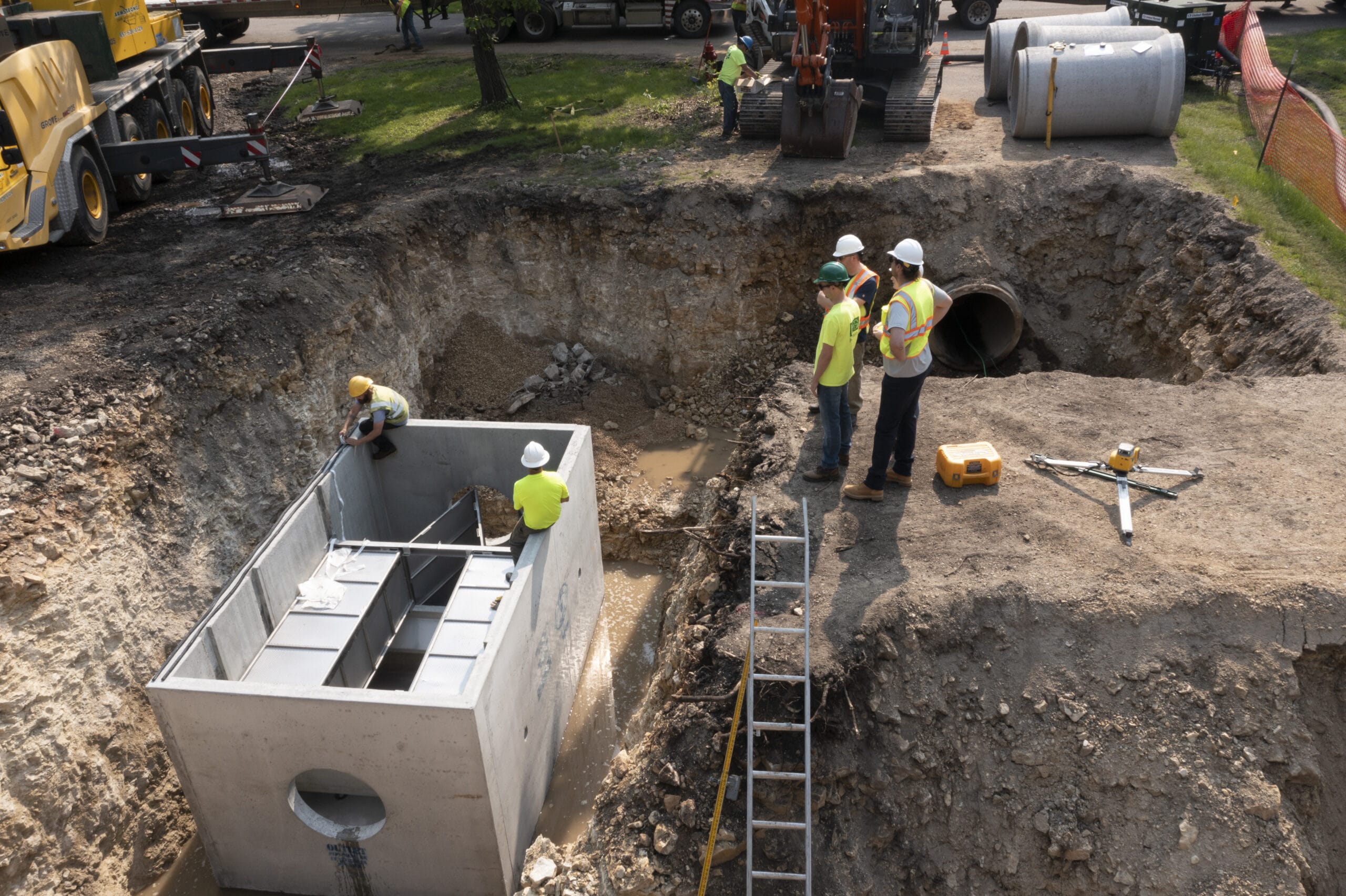
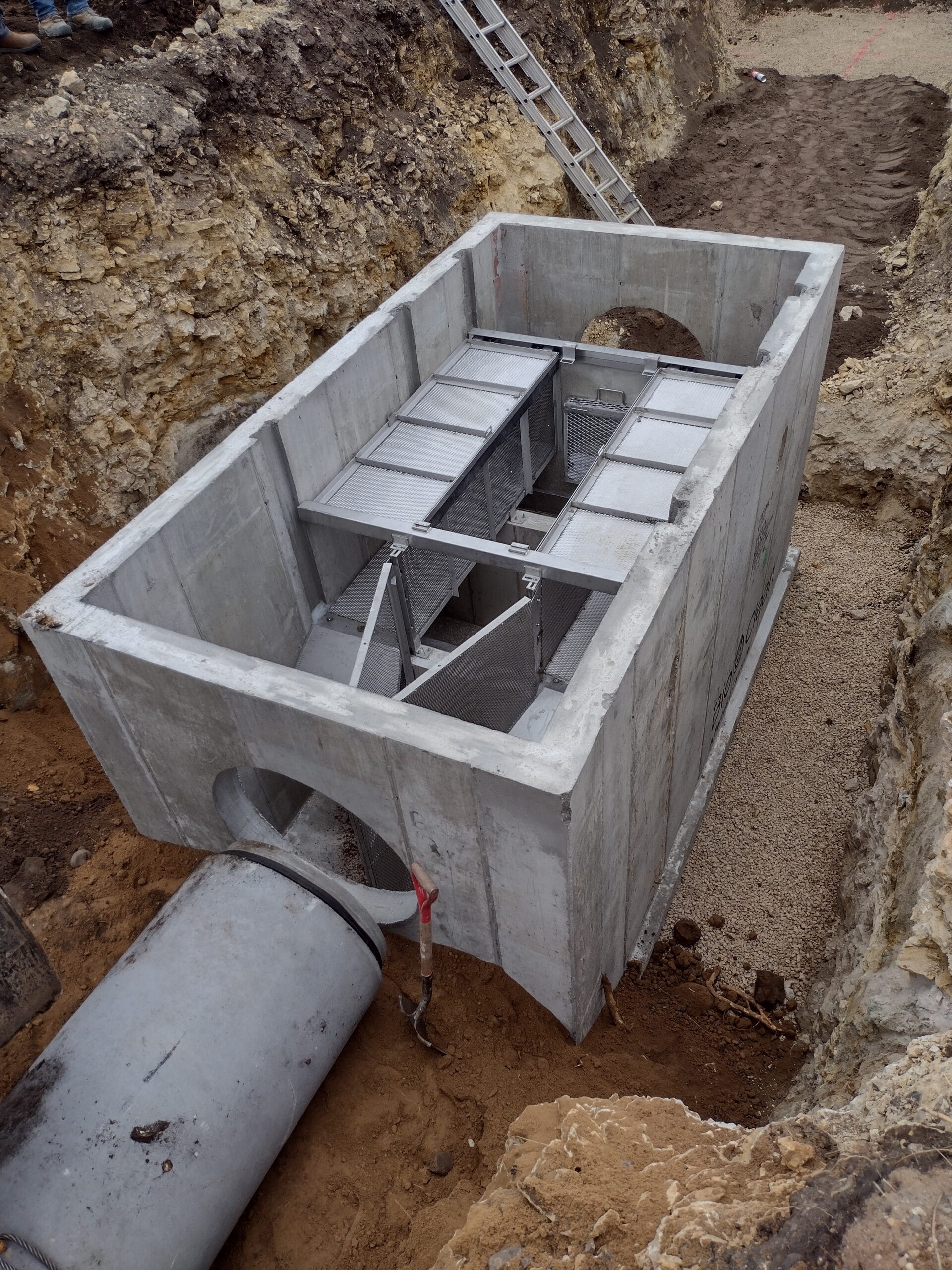
The first DSBB system was installed at the corner of 16th Street and Cedar Lane in Newport. The device helps to remove up to 22 tons of polluting debris from stormwater each year. Inside the system are a series of screens and hydrodynamic separation that collect sediment, debris, and pollutants into a series of holding chambers, before sending the cleaner water back into the stormwater system and west to the river. The SWWD teamed up with our city partners with the City of Newport Public Works to establish a maintenance schedule. Public Works staff vacuum out the system as needed throughout the year to remove trapped sediments.
Construction of the 16th Street BMP was completed in fall of 2023. Since then, additional DSBB systems have been installed at 15th Street and Cedar Lane, Newport Elementary, and at Nuevas Fronteras Elementary School in St. Paul Park.
Monitoring water quality
SWWD monitors the water quality within each DBSS station. A bi-weekly pollutant concentration reading is taken, as well as regular monitoring for Total Suspended Solids (TSS) and Total Phosphorus (TP). Inside the station, the flow rate is monitored automatically every 15 minutes.
The DBSS hydrodynamic separator typically captures 80% of TSS that pass through. Other filters are also used in the BMP. The Jellyfish Filter in particular is good at capturing heavy metals, trash, nutrients, and sediments from stormwater. Typically, the Jellyfish Filter can remove 89% of TSS, and 59% of TP.
Project funding
The individual BMPs are located throughout Newport and St. Paul Park and are collectively referred to as the East Mississippi Underground BMP project. Funding for each individual project came after the District completed two subwatershed assessments. These studies identified areas within these two river communities that would limit sediment loading to the Mississippi. These projects were funded through the Resource Restoration & Resiliency (RR&R) Program, a District program that provides direct assistance to its partners for local water resource capital improvement projects.
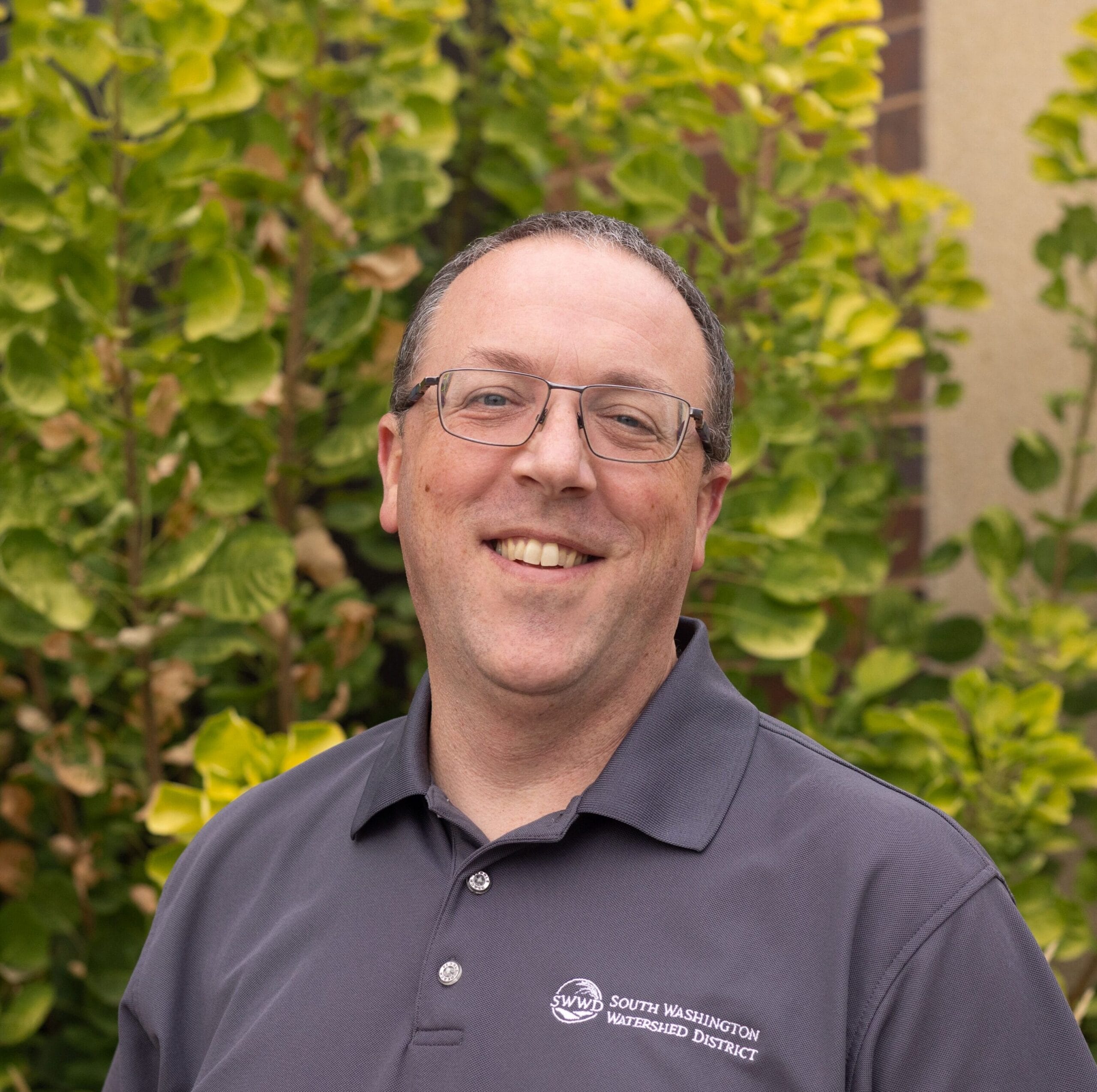
Kyle Axtell
Staff Contact
Questions? Reach out to Kyle Axtell, Planning & Projects Program Manager, at Kyle.Axtell@swwdmn.gov or call 651.728.6124.