
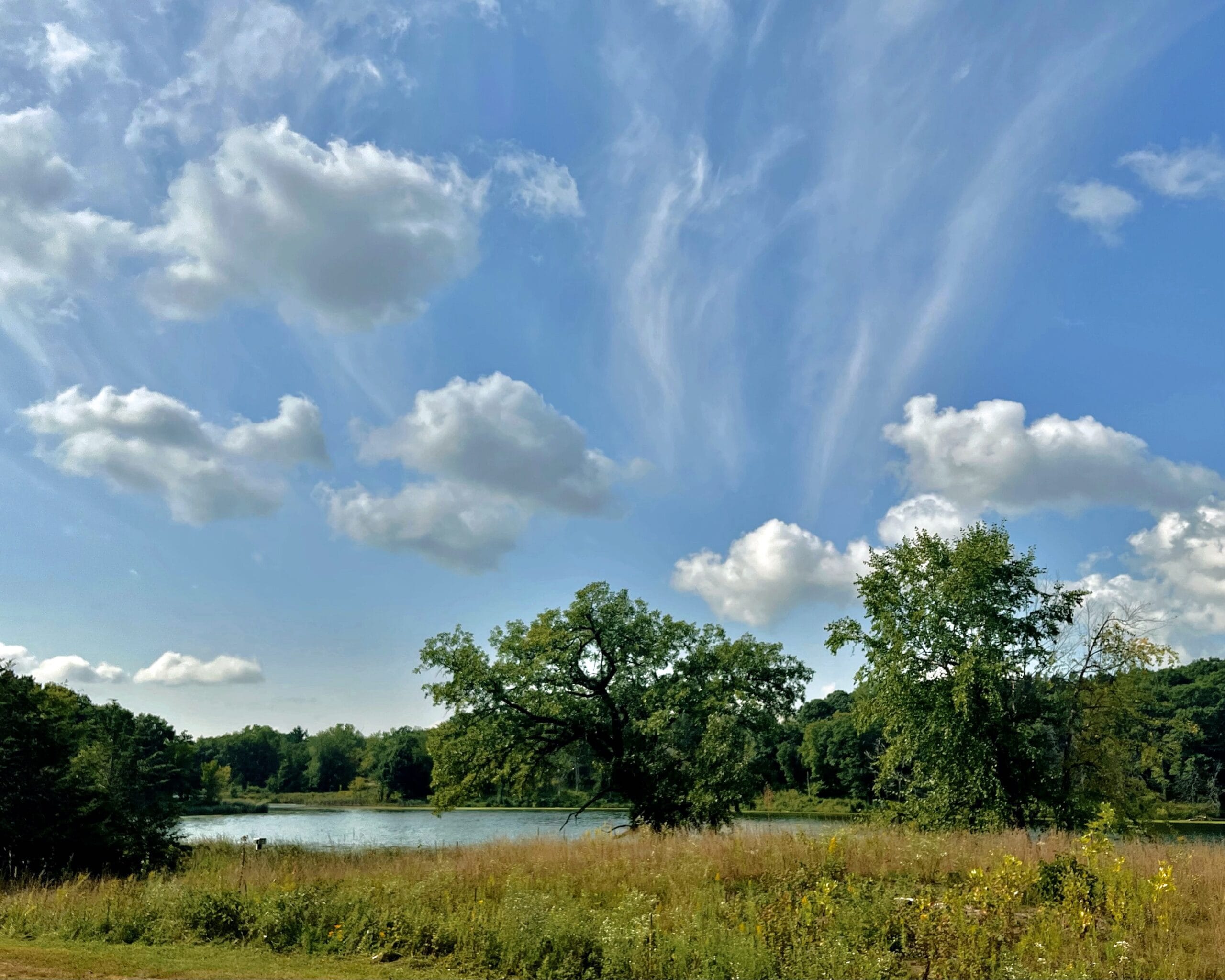
Ravine Lake
Ravine Lake
Lake Description
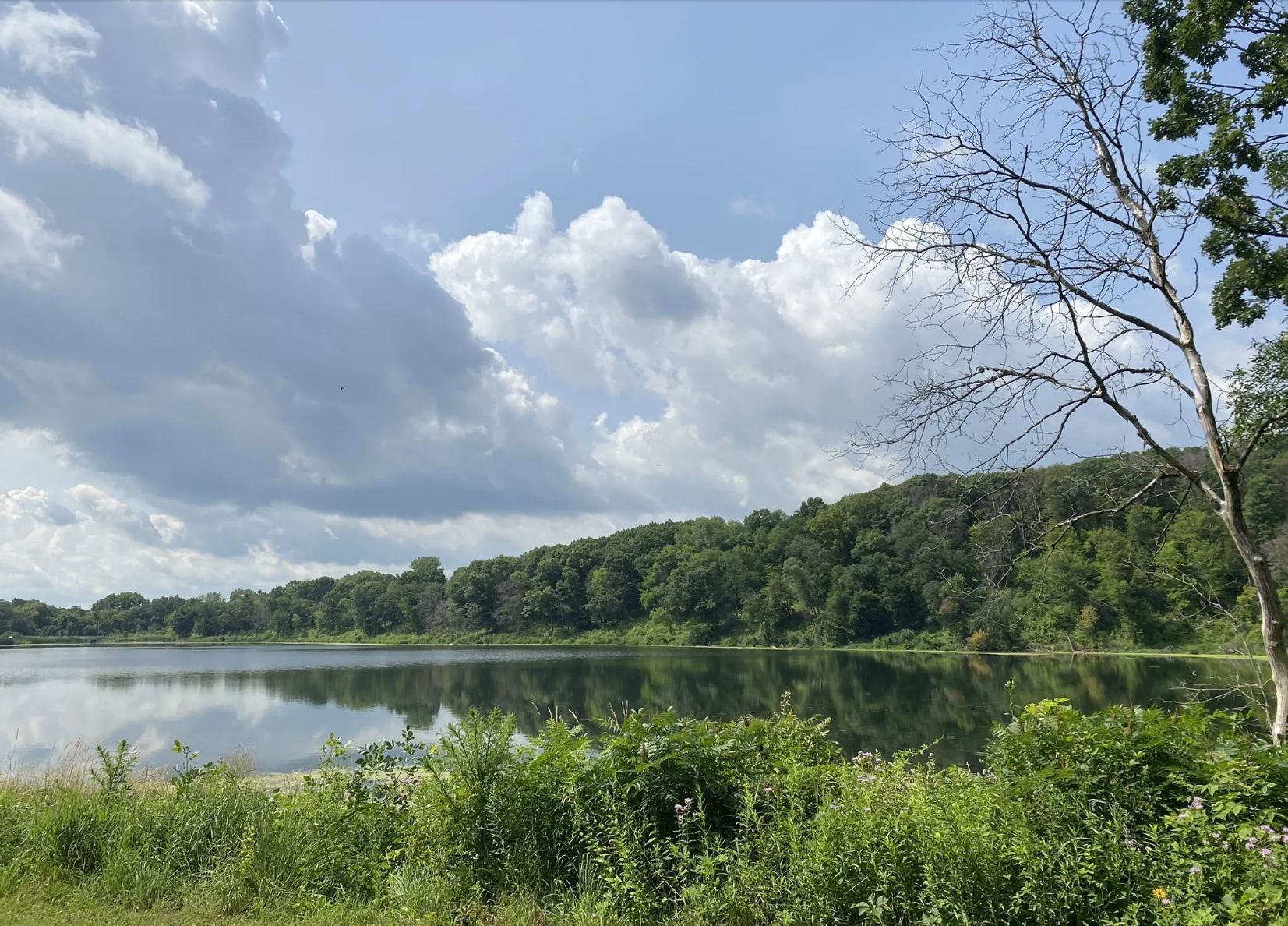
Ravine Lake is a large lake located in Cottage Grove at the Cottage Grove Regional Park. The lake is popular with local anglers. The lake is home to the watersheds first aquatic plant transplant.
Lake Details
| Location | Cottage Grove |
| Shallow/Deep | Shallow |
| Surface Area | 25 acres |
| Average/Maximum Depth | 5 ft / 16 ft |
| Direct Watershed Area | 1,698 acres |
| Impairment Status | Impaired for nutrients since 2026 |
| Downstream Waterbody | Unnamed Stream/Mississippi |
Ravine Lake is located in the City of Cottage Grove and is used primarily for active and passive recreation and wildlife viewing. When water levels are high enough, water discharges via gravity flow from Ravine Lake to a downstream creek which ultimately discharges to the Mississippi River. The total watershed area to Ravine Lake is approximately 4,341 acres; however, a large portion of the watershed only contributes flow to the lake under extreme rainfall events, causing the more typical tributary area to be approximately 1,698 acres.
Water Quality in Ravine Lake
Ravine Lake has a water surface area of approximately 25 acres, a maximum depth of 16 feet, and a mean depth of approximately 5 feet. Ravine Lake falls under the MNDNR classification of a “shallow lake” given that the lake’s littoral area is greater than 80% the total lake area. Ravine Lake is deep enough that prolonged periods of lake stratification occur during the growing season. Profile monitoring data from within the lake supports this finding.
The State of Minnesota uses three water quality parameters to assess eutrophication standards within lakes—total phosphorus, chlorophyll-a, and Secchi disk transparency—to assess waterbody health and track water quality changes. These three parameters were measured in Ravine Lake by the SWWD between 1998 – 2023 (Figure 14-1). Monitoring data collected in 2017 was collected at a reduced frequency from other monitored years. Not enough measurements were collected to calculate summer averages for that year. During the monitored years with adequate data, summer average total phosphorus concentrations were better than the state standard in 2005, 2007, 2009 – 2010, 2014 – 2015, and 2019. Summer average chlorophyll-a concentrations were better than the state standard in 1998, 2007, and 2009. All other monitored years exceeded the state standard. Summer average Secchi depths met or were better than the state standard in 1999, 2004 – 2020, and 2022 – 2023. Ravine Lake was added to the Minnesota impaired water lists as impaired for nutrients in 2006.
Chloride concentrations were measured by the SWWD between 2005 – 2007 and 2009 – 2023 (generally between April and September). In the historical record, all observed chloride concentrations were below the MPCA chronic standard of 230 mg/L. The highest observed chloride concentration was 84 mg/L in July 2014. Most observed chloride concentrations are below 50 mg/L. While chloride concentrations within Ravine Lake remain well below the chronic water quality standard, concentrations have been on a steady rise within the lake over the past 18 years; with average annual observed concentrations increasing from 10 mg/L to 45 mg/L between 2005 and 2023.
Monitoring Data
Ravine Lake Fisheries
Ravine Lake is included in the Fishing in the Neighborhood (FiN) program run by the MNDNR, which is aimed at increasing angling opportunities, public awareness, and environmental stewardship within the seven-county Twin Cities metro area. The MNDNR FiN program has been actively involved in managing the sport fish populations of Ravine Lake since 2001. As such, the fish community is surveyed at a regular frequency. Fish stocking data from the most recent decade is also available.
Based on the review of aerial imagery and field observations, Ravine Lake does not always completely ice over during the course of winter due to impacts from groundwater inflows. Open water areas in winter can provide better winter oxygen conditions within the lake and limit the risk of winter fish kills.
Explore more waters
-
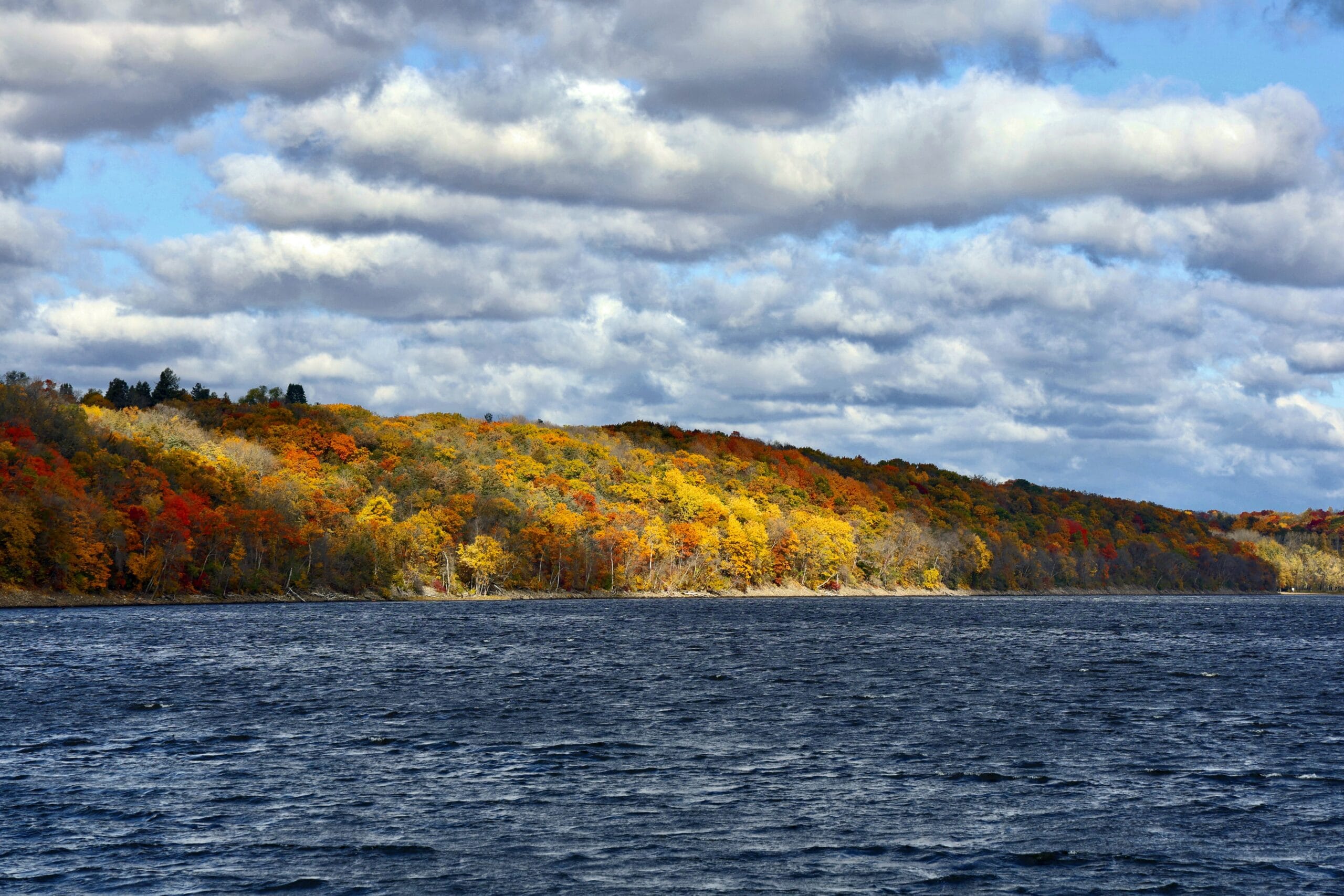
St. Croix River
The St. Croix River is a 169-mile ribbon of blue that forms the border between Minnesota and Wisconsin and offers myriad experiences to valley residents and visitors alike.
-
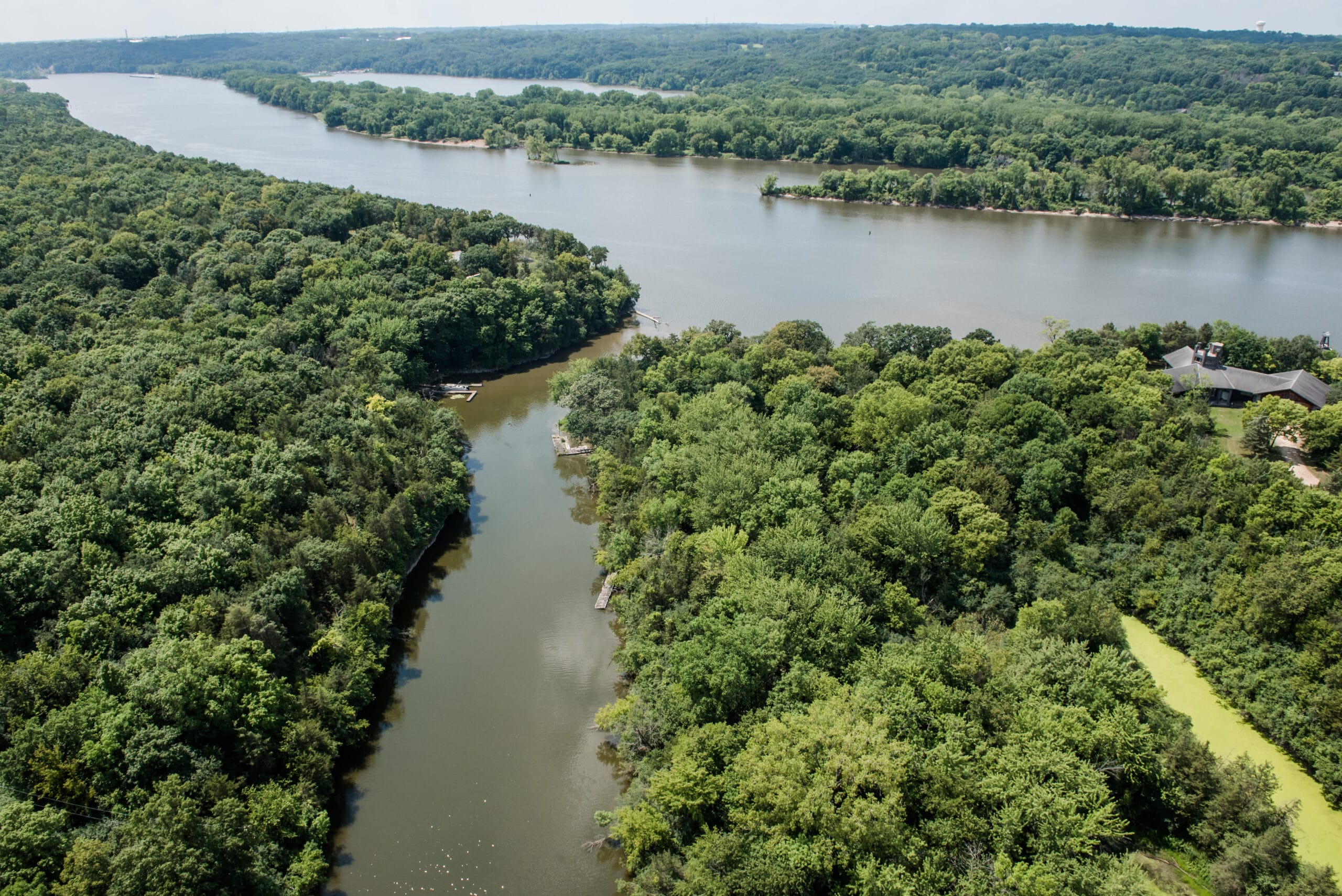
Mississippi River
The Mighty Mississippi begins its journey in northern Minnesota at Lake Itasca and flows 2350 miles to the Gulf. Along the way, the river passes through ten states and provides drinking water to fifty major cities.
-
Trout Brook
Trout Brook is a small, coldwater stream that starts just east of Manning Avenue and flows through the hills of Afton Alps and Afton State Park to the St. Croix River.