
Glacial Valley Park
Project Overview
Glacial Valley Park restoration
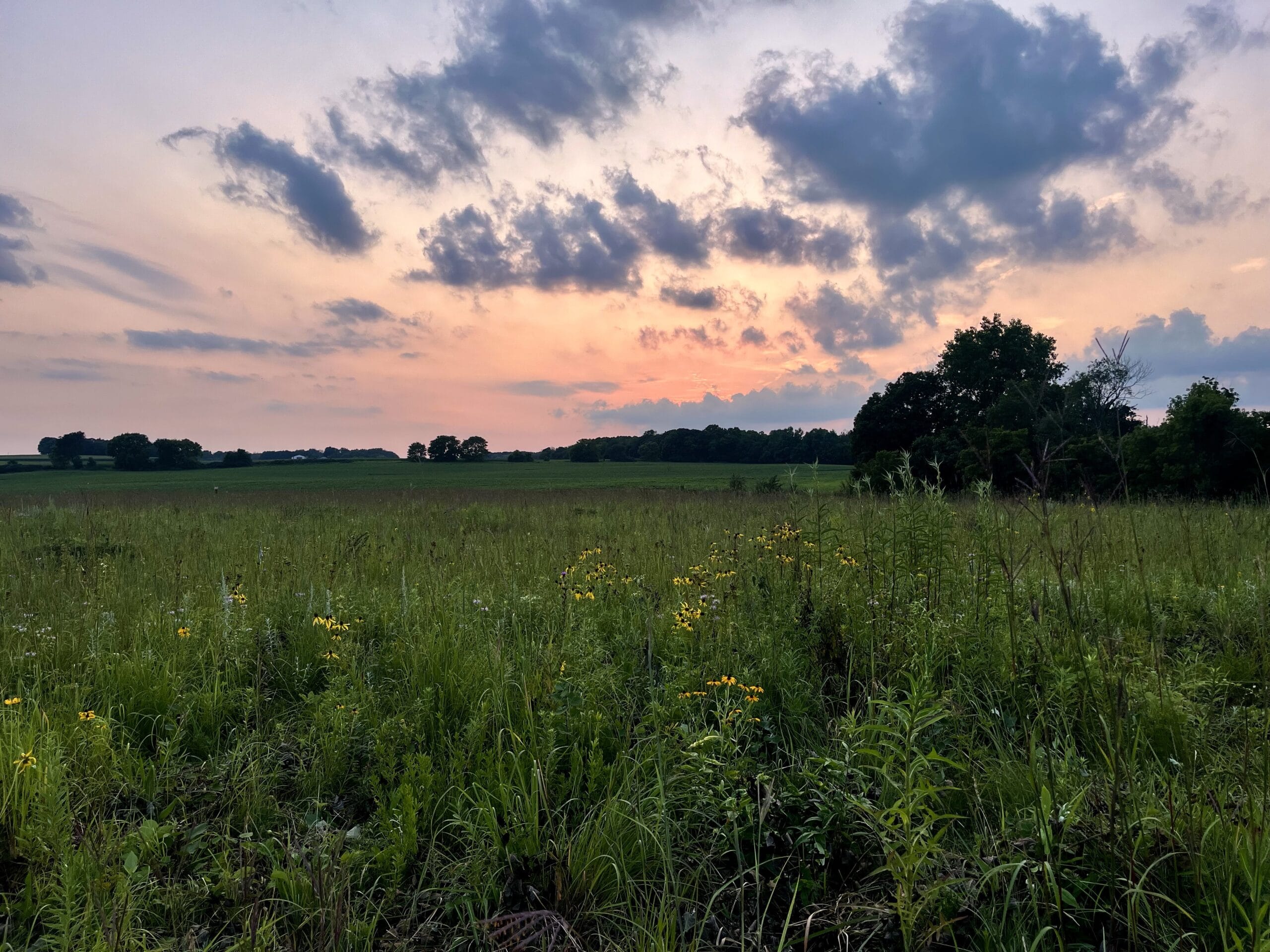
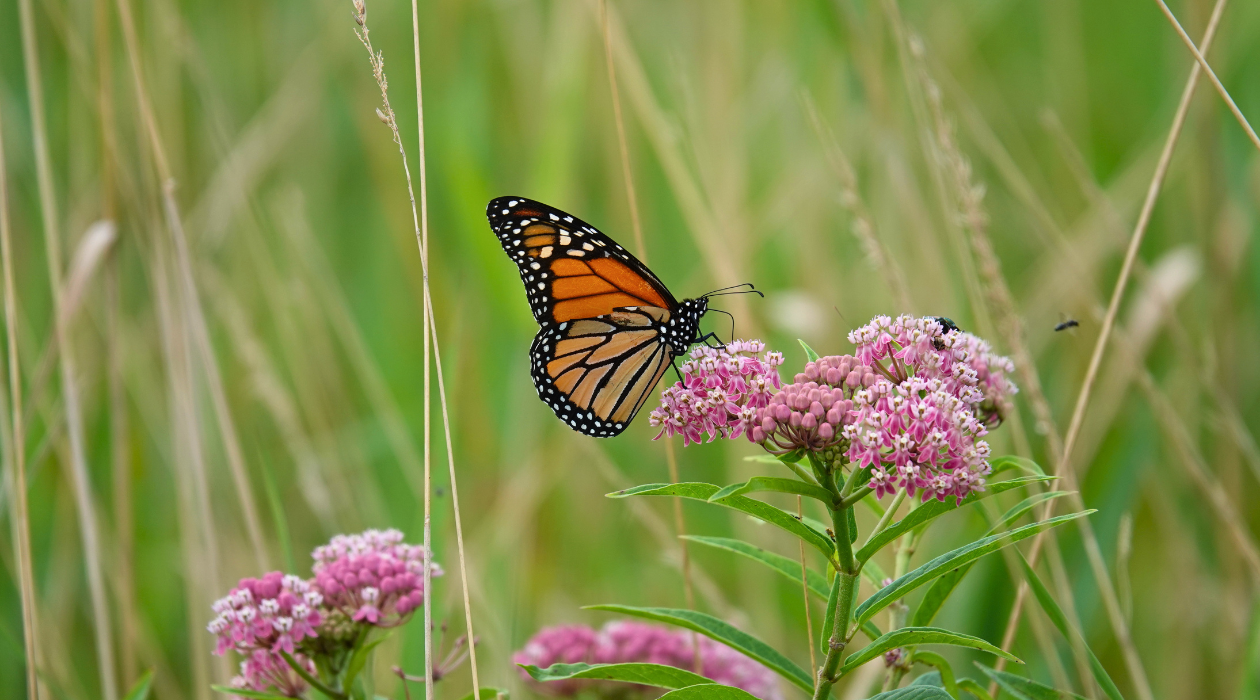
Located on the border of Woodbury and Cottage Grove, this 250-acre protected open space is a natural oasis in a busy world. The restored prairie and oak savanna here form the heart of the South Washington Watershed District conservation corridor and offer refuge to grey fox, white-tailed deer, loggerhead shrikes, monarch butterflies, and countless other insects, birds, and wildlife.
Glacial Valley Park also helps to protect businesses and neighborhoods from flooding, and filters and cleans the groundwater that we drink.
Carved by glaciers and guided by human hand
Ten thousand years ago, as the final glaciers retreated from the land we now know as Minnesota, they left behind massive blocks of ice that melted to form the valleys and depressions we see here today.
Over time, people migrated to this area and settled along the Mississippi River, St. Croix River, and inland lakes. Archaeological evidence shows that people have lived nearby in the region for at least 2000 years; during this time, they influenced the plants, animals, and natural landscape.
Oak savanna is one example of an ecosystem that has co-evolved with humans in several different locations in North America, including here in Washington County. In this transitional zone between forest and prairie, people used fire to maintain natural open areas as a way to attract large game animals such as bison, elk, and deer.
Eventually, after Minnesota became a state in 1858, European-American settlers began to establish cities and farms in this area. By the time South Washington Watershed District began habitat restoration work here in 2002, the towering oaks and waving bluestem had been replaced by rows of corn and soybean.
Today, people are hard at work again, transforming the landscape at Glacial Valley back to prairie and oak savanna. It’s a dynamic system that is full of life and ever changing.
Prairie restoration underway
South Washington Watershed District purchased the land for Glacial Valley Park in 2002 and began working with Great River Greening to restore the prairie and oak savanna in 2010. During the first five years of restoration work, project partners planted tiny oak seedlings and worked to re-establish native prairie flowers and grasses. Since then, the focus has shifted towards managing the landscape to increase species diversity and drive out invasive plants and woods shrubs.
Two management strategies used at Glacial Valley Park are haying and prescribed fire. The deep roots of the prairie plants and the thick bark of the oaks enable both to survive fires that kill off most other species of trees and shrubs.
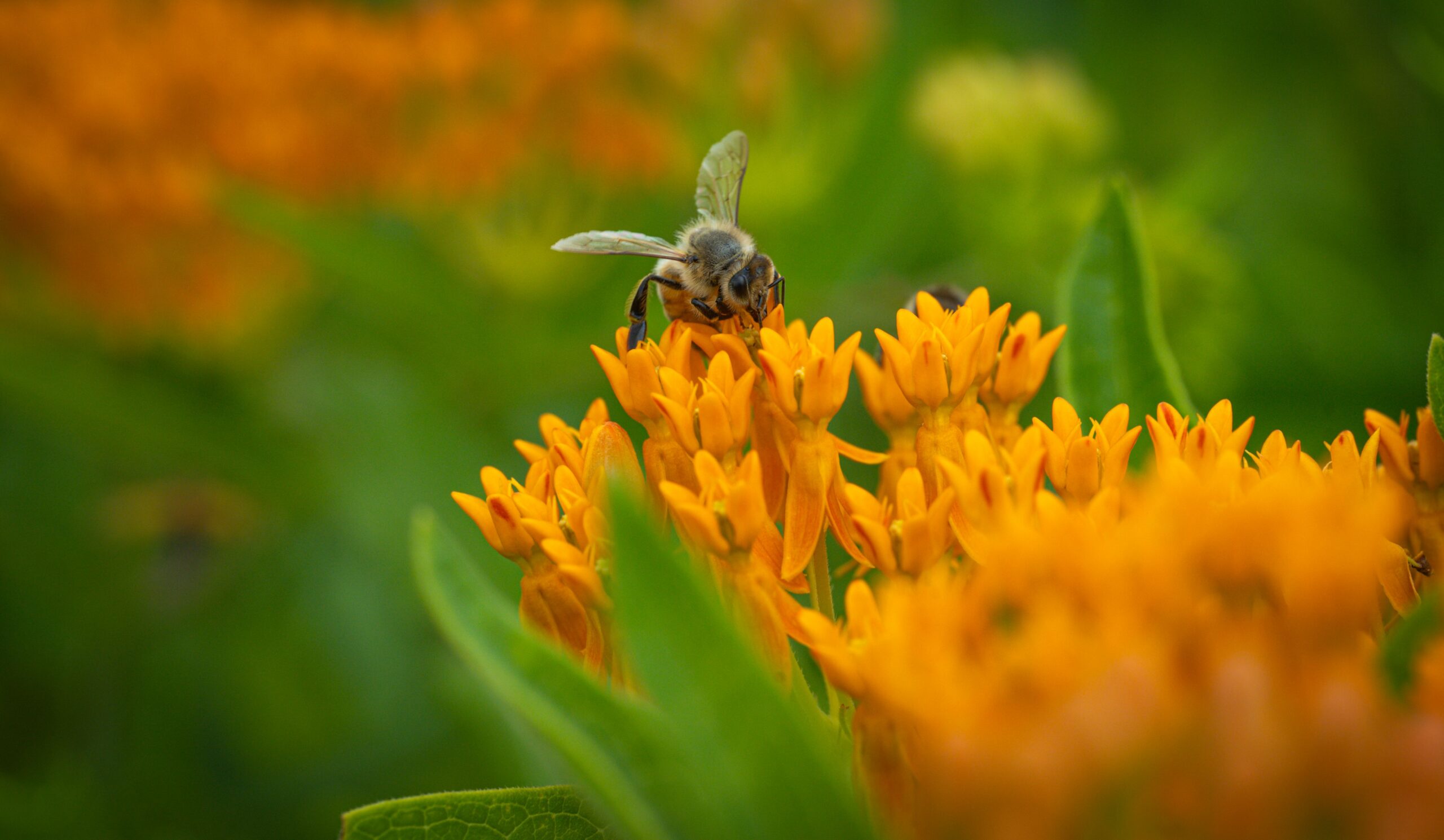
Some of the many plants you can find here include: side-oats grama, blue gram, prairie brome, june grass, little bluestem, prairie onion, butterfly milkweed, azure aster, stiff tickseed, purple prairie clover, round-headed bushclover, rough blazing star, dotted blazing star, wild lupine, wild bergamot, showy penstemon, long-headed coneflower, black-eyed susan, old field goldenrod, prairie spiderwort, and hoary vervain.
Wildlife spotted on site include: grey fox, coyote, deer, raccoons, opossums, great-horned owls, red-tailed hawks, downy wood peckers, hairy woodpeckers, loggerhead shrikes, monarch butterflies, and ten different species of native bumblebees.
More good plants, fewer bad plants
From 2010-15, Great River Greening planted oak trees and seeded native flowers and grasses at Glacial Valley Park. Though the seeds took hold and began to grow, invasive species such as reed canary grass, quack grass, nettles, ragweed, buckthorn, and thistles soon began to take over low-lying areas.
After testing the soil, Great River Greening’s ecologists found that these locations were saturated with nitrogen, and they hypothesized that haying might help to reduce nitrogen levels and create better conditions for the native prairie plants.
In 2015-2017, Great River Greening set up five treatment plots and five control plots within a 60 acre area, and worked with Strohfus Stock Farm, LLC to hay the control plots. After three years, results showed that the hayed areas had 17.5% more native forbs (flowering plants) and had a five times greater ratio of flowering plants to grasses. There was also a higher diversity of bees found in these plots during the month of May.
Busy, buzzing bees
Xerces Society has also studied insects and pollinators species at Glacial Valley Park. From 2015-2017, researchers observed a total of 3,759 insects in their test plots, including 1039 native bees. Honey bees, bumble bees, soldier beetles, hover flies, paper wasps, and monarchs were the most abundant pollinator groups observed, and native bees comprised 55% of the total bees present. This included ten different species of bumblebees.
Researchers observed the highest abundance of native bees in July and the most overall pollinators in August.
A passageway for wildlife, water, and people
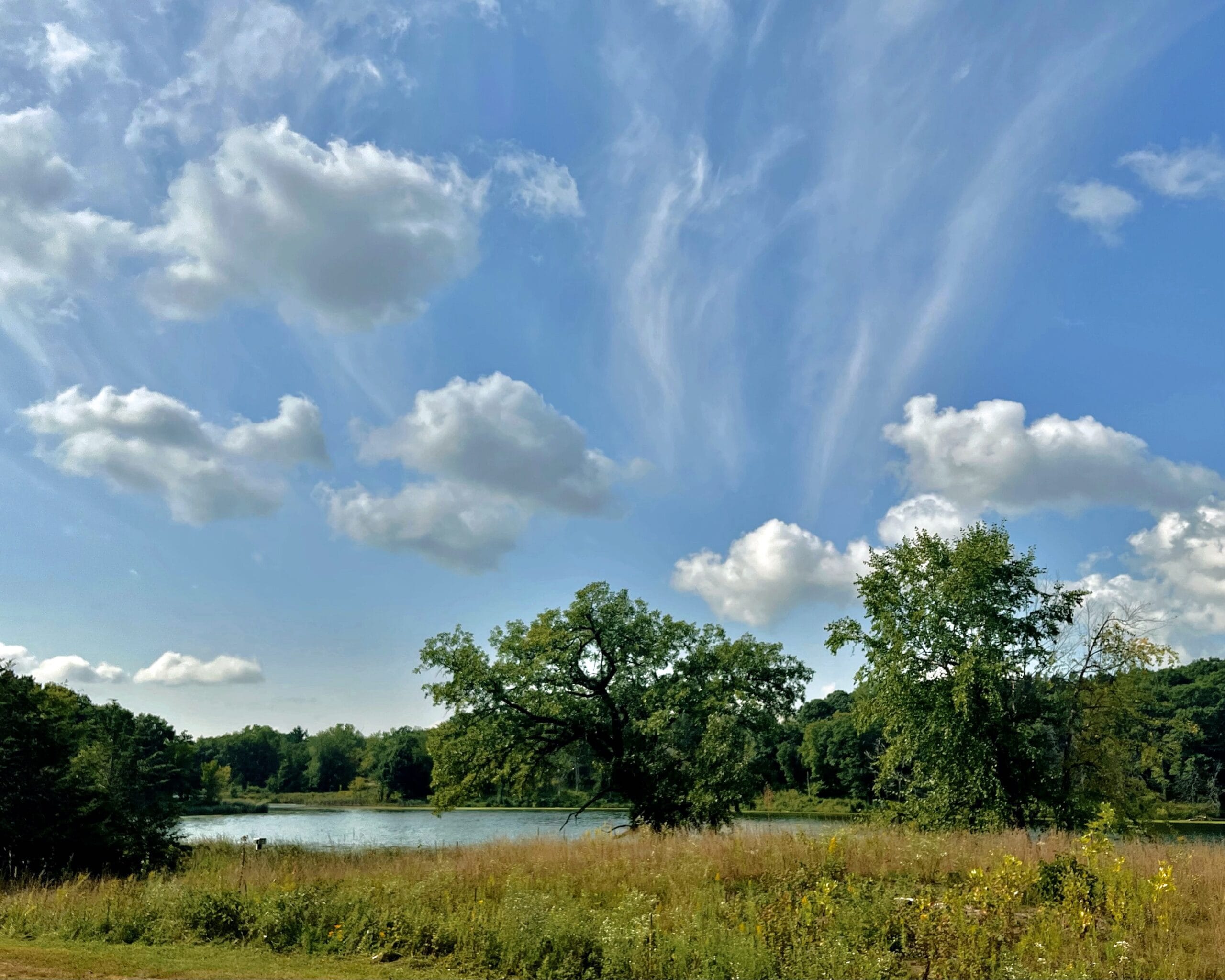
Glacial Valley Park is also part of a larger conservation corridor that runs through the heart of the South Washington Watershed District in Woodbury and Cottage Grove. The corridor provides flood protection for surrounding homes and businesses, includes trails for people to walk and bike, and ensures protected habitat for birds and wildlife.
When the water in Bailey Lake gets high enough to overflow due to spring snowmelt or heavy rains, it outlets to a regional infiltration basin at Glacial Valley. Usually the water in the basin soaks into the ground, but if it were to overflow, a series of overland trails and underground pipes would carry it south to Cottage Grove Ravine Region Park, and then onward to the Mississippi River.

Kyle Axtell
Staff Contact
Questions? Reach out to Kyle Axtell, Planning & Projects Program Manager, at Kyle.Axtell@swwdmn.gov or call 651.728.6124.